

Tribunal found three misconduct charges proved after CPD failures and false declaration
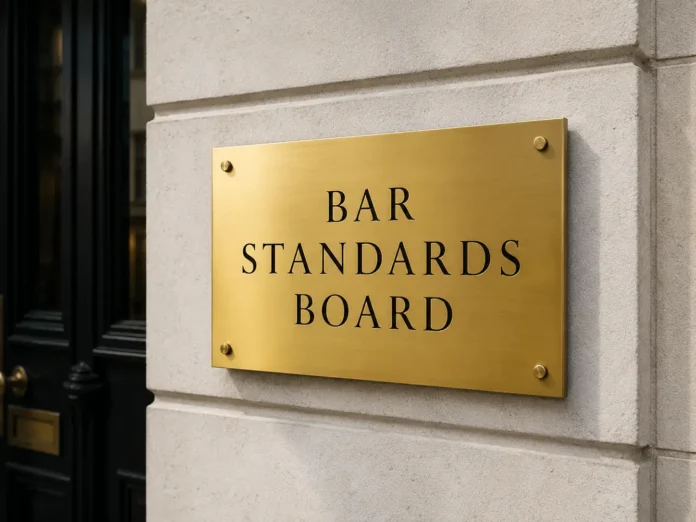
Barrister John David Hunter suspended for three months over misconduct after an independent disciplinary tribunal found he committed three acts of professional misconduct relating to his continuing professional development (CPD) obligations and Authorisation to Practise declaration.
The disciplinary tribunal concluded on 24 July 2026, having considered three charges brought by the Bar Standards Board (BSB). Its findings were announced by the regulator on 27 July 2026.
The tribunal found that Mr Hunter failed to comply with his CPD obligations during 2023. It also concluded that, when completing his 2024 Authorisation to Practise declaration in April 2024, he falsely declared that his CPD for 2023 was up to date.
According to the tribunal, Mr Hunter’s conduct amounted to professional misconduct. In relation to the Authorisation to Practise declaration, it found that he acted without honesty and/or integrity and behaved in a way that was likely to diminish the trust and confidence that the public places in him and in the profession. Mr Hunter admitted all three charges.
The tribunal considered exceptional circumstances before deciding that a three-month suspension was the proportionate sanction. It imposed a three-month suspension for each of the three charges, with the suspensions to run concurrently. Mr Hunter was also ordered to pay £3,000 towards the Bar Standards Board’s costs.
For legal professionals, the decision reinforces the importance of complying with mandatory continuing professional development requirements and ensuring that regulatory declarations are complete and accurate. The tribunal’s findings demonstrate that inaccurate declarations about professional obligations may amount to misconduct, particularly where they involve findings relating to honesty and integrity. The case also highlights that admissions of misconduct do not prevent a disciplinary tribunal from imposing a suspension where it considers such a sanction proportionate.
Commenting on the outcome, a spokesperson for the Bar Standards Board said that continuing professional development is an important requirement because it helps barristers maintain the knowledge and skills needed to serve the public and support the administration of justice.
The spokesperson added that barristers must make accurate declarations regarding compliance with their professional obligations. They said Mr Hunter’s conduct fell well below the standards expected of the profession and that the tribunal’s decision reflected the seriousness of the misconduct.
The Bar Standards Board noted that the tribunal’s findings remain subject to appeal.
According to the regulator, John David Hunter was called to the Bar of England and Wales by Lincoln’s Inn on 5 February 1991.