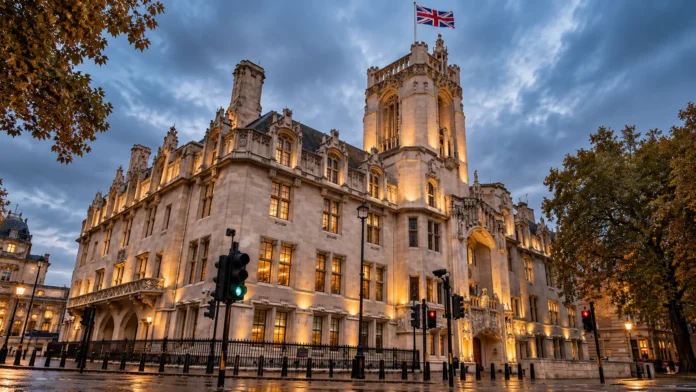


Recruitment covers two candidates from England and Wales and one from Northern Ireland.
The UK Supreme Court is recruiting three new Justices, with two positions for candidates with experience of the law of England and Wales and one for a candidate with experience of Northern Ireland law.
The recruitment arrangements were updated on 14 October 2026 following the announcement that Lord Hamblen will retire in September 2027.
The Independent Selection Commission initially launched two competitions, one for England and Wales and another for Northern Ireland. The subsequent update confirmed that the current recruitment round would include two appointments from England and Wales, alongside the appointment from Northern Ireland.
Experience required for Supreme Court appointments
The Supreme Court hears complex and high-profile legal appeals, alongside the Judicial Committee of the Privy Council. Its decisions can have a considerable impact across the United Kingdom and beyond.
The selection commission is seeking candidates with exceptional intellectual and legal ability, sound judgement and decisiveness. Applicants must also meet the relevant requirements for knowledge of, and experience in practising, the law of the jurisdiction for which they are applying.
The recruitment process reflects the statutory requirement for the Supreme Court to include judges with knowledge of and experience in the law of each part of the United Kingdom.
Application deadlines
The Supreme Court has set separate deadlines for the two recruitment jurisdictions:
- Northern Ireland: Applications close at 9am on 19 October 2026.
- England and Wales: Applications close at 5pm on 2 November 2026.
The court has published separate information packs for applicants from Northern Ireland and England and Wales, setting out the skills, experience and application requirements for each competition.
The Supreme Court says its Justices also contribute to public education and engagement. These activities include judging mooting competitions, answering questions from school pupils and delivering public speeches and addresses on legal topics.
Further information about the appointment process and the career paths of serving Justices is available through the Supreme Court’s official website.
The recruitment exercise will fill the three positions identified in the updated announcement, with the jurisdiction-specific experience requirements remaining central to the selection process.