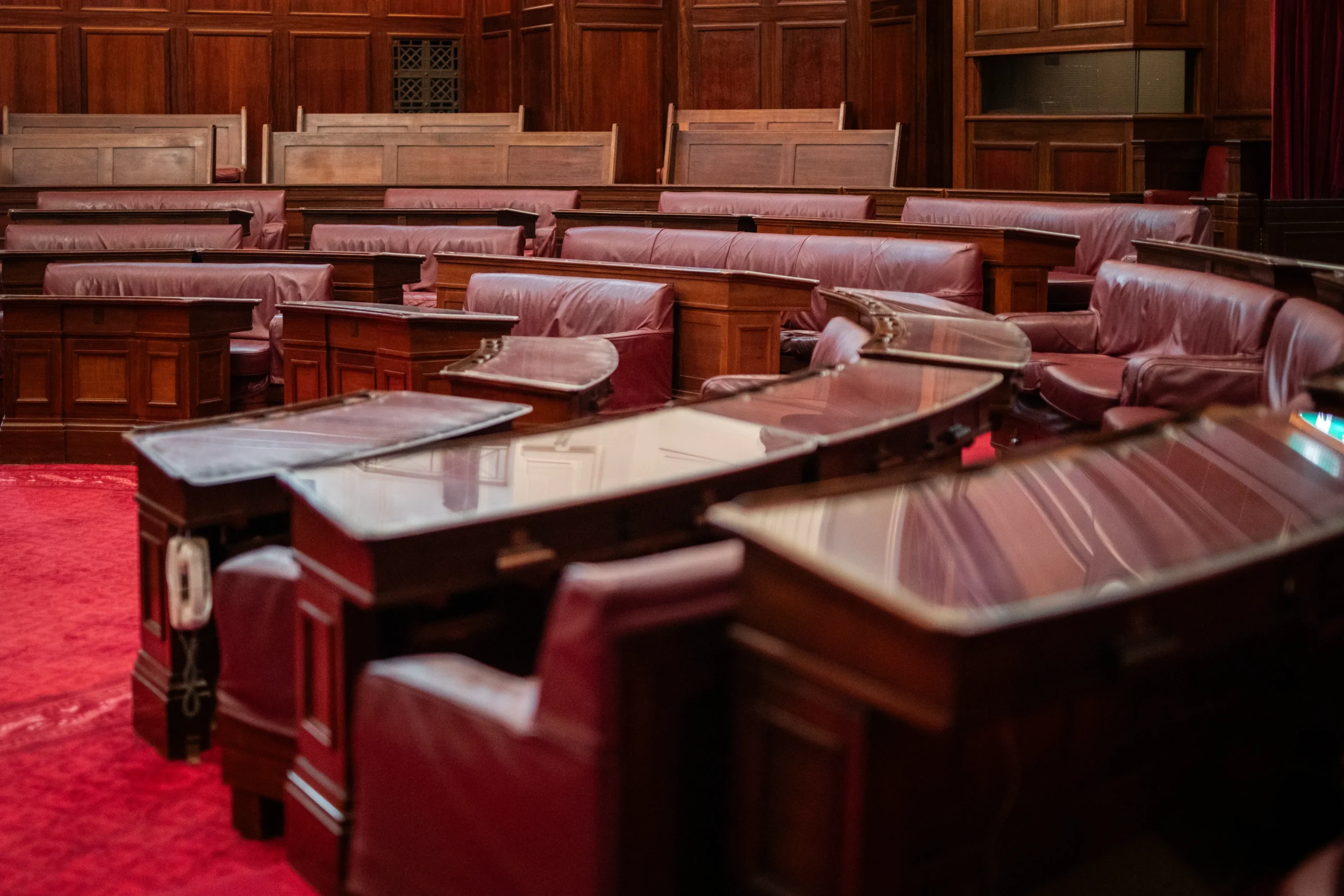


Barristers call for specialist courts to tackle abuse cases without limiting jury trials
Senior barristers have urged the government to proceed with plans for specialist courts dealing with sexual offences and domestic abuse, warning that restricting jury trials could undermine the justice system.
The Bar Council, alongside the Criminal Bar Association (CBA), has called on ministers to honour a 2024 manifesto commitment to establish specialist courts across every Crown Court in England and Wales. The proposal forms part of a broader strategy to address violence against women and girls and reduce delays in serious criminal cases.
Under the plan, specialist courts would prioritise rape, sexual assault and domestic abuse cases, particularly where defendants are on bail. These courts would retain jury trials while focusing on improving case progression and supporting vulnerable victims and complainants.
The organisations have put forward amendments to the Courts and Tribunals Bill to advance the proposal. They argue that prioritising such cases within a dedicated framework would help address delays more effectively than proposals to reduce the use of juries.
The call comes amid ongoing concerns about the scale of delays within the criminal justice system. The Crown Court backlog has now exceeded 80,000 cases. Barristers contend that there is limited evidence to support suggestions that removing juries would significantly reduce waiting times. Estimates indicate that judge-only trials would save only a small proportion of court time.
Examples from existing courts have been cited in support of the specialist model. At Preston Crown Court, an expedited trial scheme has contributed to a reduction in waiting times between initial hearings and case completion. Barristers suggest that similar approaches, modelled on temporary court arrangements introduced during the COVID-19 pandemic, could be implemented more widely.
The Law Commission has also previously recommended retaining juries in such cases while introducing specialist sexual offences courts within existing court structures, as part of wider reforms to the handling of rape cases.
Kirsty Brimelow KC, Chair of the Bar Council, stated that delays in the system are largely driven by issues earlier in the process, including policing and charging decisions. She said that focusing on measures that directly reduce delays for vulnerable witnesses would be more effective than limiting jury trials.
She also noted concerns raised by more than 30 organisations representing victims of violence against women and girls, which have expressed opposition to reducing jury trials. Brimelow added that the jury system remains a functioning part of the justice process and should not be weakened.
Riel Karmy-Jones KC, Chair of the CBA, similarly stated that juries do not contribute to delays in sexual and domestic abuse cases. He emphasised the need to prioritise improvements in investigation processes, disclosure, and case management, alongside the establishment of specialist courts.
Both organisations maintain that targeted reforms, rather than structural changes to jury trials, would deliver more immediate and effective improvements for victims and defendants alike.