

Supreme Court to examine whether Stonewall influenced alleged discrimination by chambers
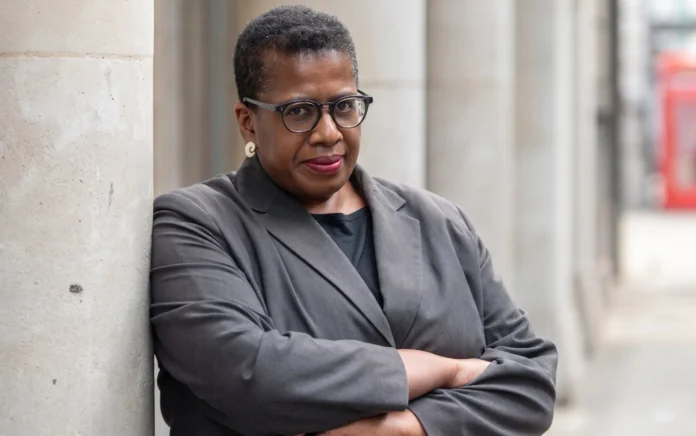
The UK Supreme Court has agreed to hear a high-profile appeal brought by barrister Allison Bailey against Stonewall and Garden Court Chambers in a case centred on gender-critical beliefs and discrimination law.
According to the Supreme Court’s published case summary, permission to appeal was granted on 6 May 2026 in Bailey v Stonewall Equality Limited and others (UKSC/2026/0017).
The appeal will consider whether Stonewall caused Garden Court Chambers to discriminate against Ms Bailey contrary to section 111(2) of the Equality Act 2010, and what legal test should apply when assessing causation under that provision.
Ms Bailey, a criminal barrister, holds gender-critical beliefs, including the belief that sex is biological and should not be replaced by gender identity. An Employment Tribunal previously found those beliefs qualified for protection under the Equality Act 2010.
The dispute arose after Garden Court Chambers joined Stonewall’s Diversity Champions scheme in 2018. Ms Bailey objected to the move and later posted comments on social media criticising Stonewall’s position on transgender issues.
In October 2019, Stonewall’s head of trans inclusion, Kirrin Medcalf, emailed chambers raising concerns about a series of Ms Bailey’s posts on Twitter, now known as X. An internal investigation later concluded that two tweets were likely to have breached professional obligations. Chambers asked Ms Bailey to remove the posts, but she refused. No formal disciplinary action was ultimately taken.
Ms Bailey subsequently brought discrimination proceedings against both Garden Court Chambers and Stonewall. She succeeded against chambers before the Employment Tribunal and was awarded damages. However, her claim against Stonewall failed. The Employment Appeal Tribunal and the Court of Appeal later dismissed her appeals against Stonewall.
The Supreme Court will now consider whether Stonewall’s actions and communications with chambers were capable of amounting to unlawful inducement or causation under equality legislation. The outcome could have broader implications for employers, professional organisations and third-party diversity advisers involved in workplace inclusion policies.
Legal commentators said the case is likely to become one of the most closely watched equality law appeals in recent years because it addresses the relationship between protected beliefs, workplace inclusion policies and external advisory organisations.
The appeal follows several years of litigation and public debate surrounding gender-critical beliefs in professional and employment settings. The Supreme Court case summary was last updated on 8 May 2026.